We use cookies to make your experience better. To comply with the new e-Privacy directive, we need to ask for your consent to set the cookies. Learn more.









How To Keep Your Jewellery Beautiful For Years

Jewellery has a way of becoming part of your everyday life. It is worn daily, gifted with meaning, and often tied to moments you want to hold onto. You put it on without much thought, wear it through busy days, and only really notice it when it starts to look a little dull or feel slightly worn. Most jewellery does not need complicated care, but it does benefit from a bit of attention along the way.
This guide is all about simple, everyday habits that help jewellery last longer and feel good to wear. From how you store pieces at home to what to watch out for when travelling or being active, it focuses on practical advice you can actually stick to. Think of it as a friendly reset on jewellery care, without the fuss or overthinking.
The essentials of jewellery care
Taking care of your jewellery well doesn't mean doing a lot of different things. Store pieces separately to avoid scratches, keep them dry when not worn, and clean them gently using methods suited to the metal. Remove jewellery before intense activity or exposure to moisture, and pack it carefully when travelling. These simple habits reduce tarnish, prevent damage, and help jewellery keep its original finish for longer.
Understanding jewellery care beyond cleaning
Jewellery care is often reduced to cleaning, but cleaning is only one part of the picture. Many issues arise from friction, moisture, and chemical contact rather than dirt itself.
Daily wear exposes jewellery to:
-
Skin oils and natural perspiration
-
Cosmetics, fragrance, and hair products
-
Knocks against hard surfaces
-
Humidity and temperature changes
Managing these factors gently and consistently helps jewellery maintain its finish and structure. Cleaning too often, or too aggressively, can be just as damaging as neglect.
How daily habits protect jewellery
The way jewellery is worn matters as much as how it is stored.
Put jewellery on last
Applying skincare, makeup, or fragrance before jewellery reduces residue build-up. Allow products to absorb fully before putting pieces on.
Remove before physical activity
Gym sessions, swimming, gardening, and cleaning all increase the risk of knocks, stretching, and chemical exposure. Taking jewellery off beforehand prevents avoidable wear.
If you want a deeper look at how moisture and activity affect silver, see:
Take jewellery off at home
Many people remove jewellery as soon as they get home. This simple habit reduces long hours of friction against desks, sofas, and bedding.
Storage and its impact on longevity
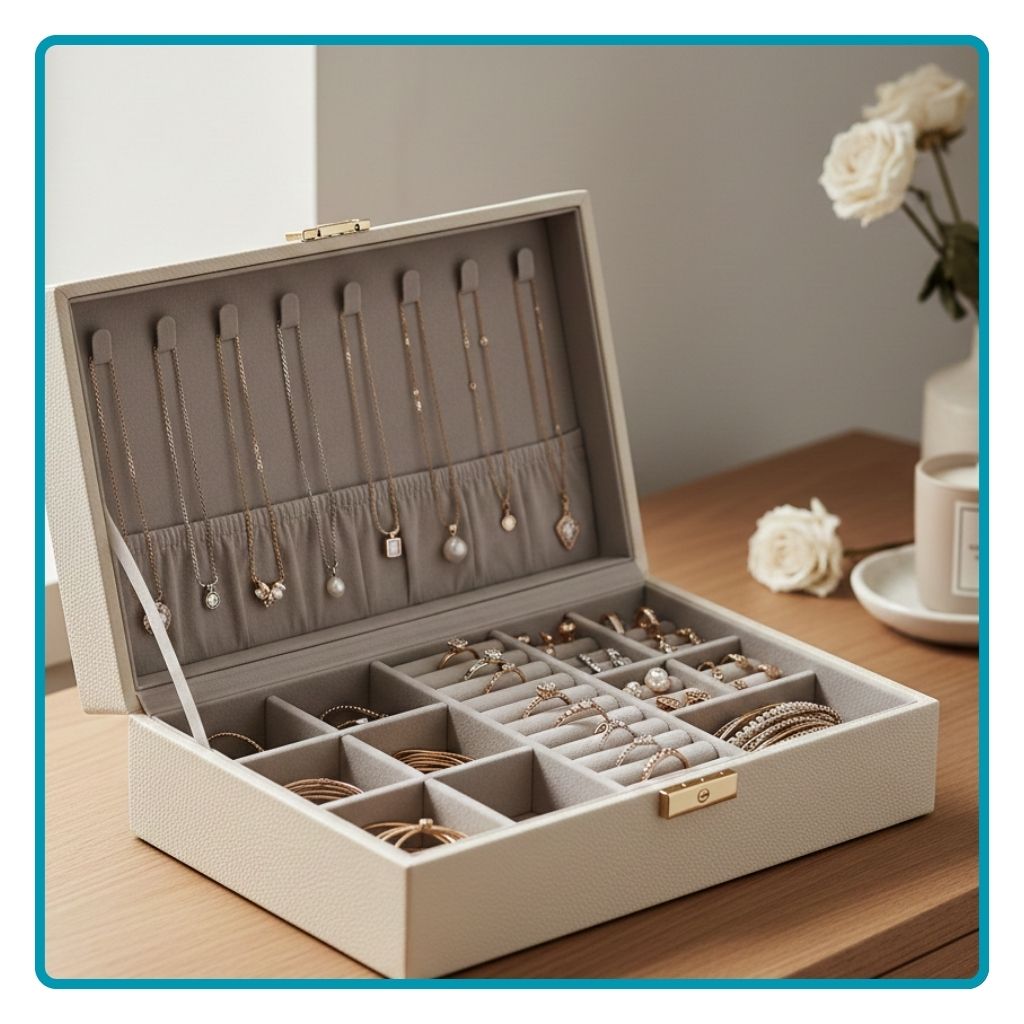
Storage is one of the most overlooked aspects of jewellery care. Poor storage causes scratches, tangles, and faster tarnishing.
Why separation matters
When jewellery touches other pieces, harder surfaces can scratch softer ones. Chains can knot, and stones can loosen over time.
Good storage keeps pieces:
-
Separate
-
Dry
-
Away from direct light and heat
Choosing the right storage for your lifestyle
Different collections benefit from different solutions.
-
Jewellery boxes with compartments suit mixed collections
-
Soft pouches work well for individual pieces
-
Travel cases protect jewellery on the move
-
Cleaning jewellery safely at home
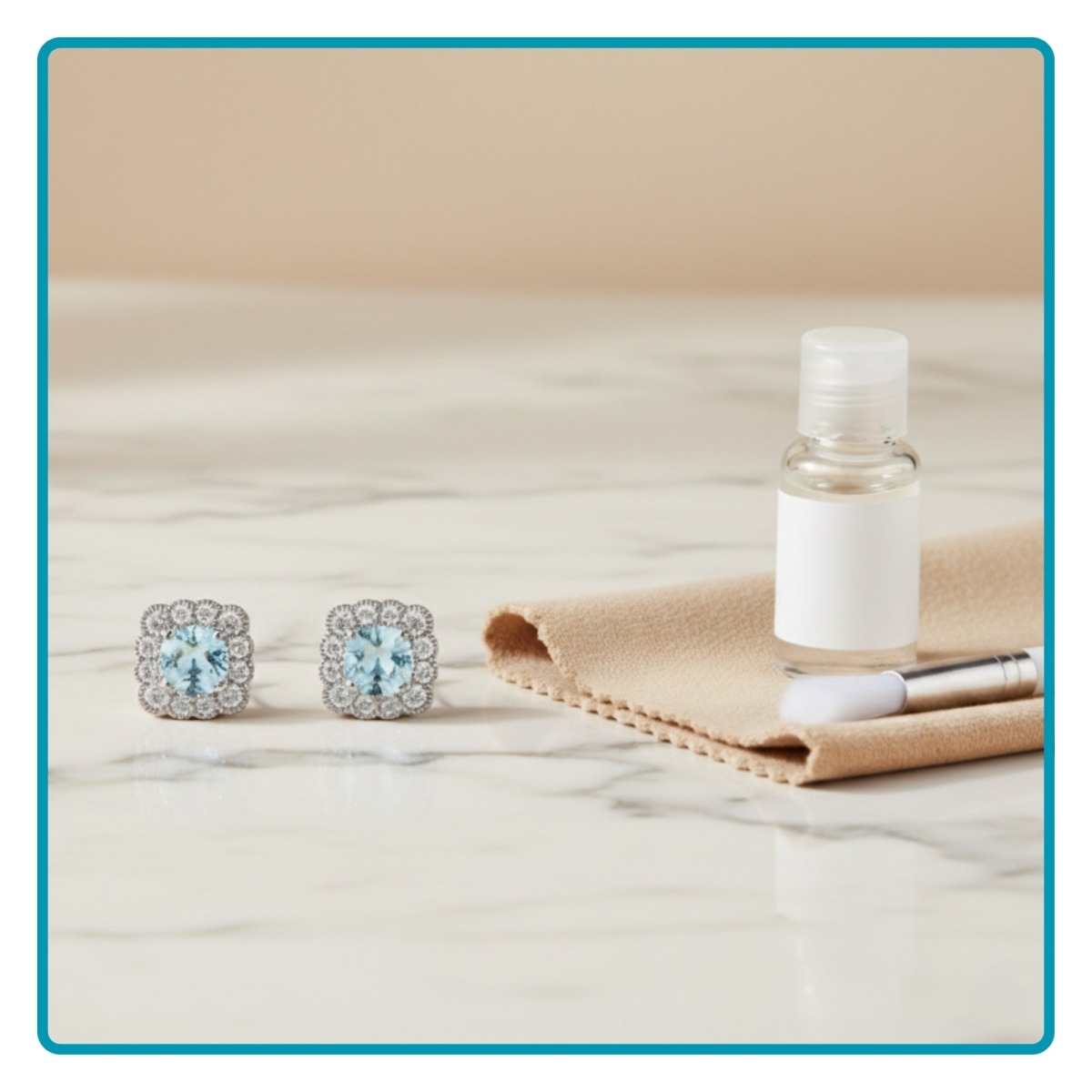
Cleaning should restore brightness without stripping metal or damaging finishes. Gentle methods are always preferable.
When to clean jewellery
Clean jewellery when it looks dull or feels coated, not on a fixed schedule. Over-cleaning can wear away surface finishes.
Safe home cleaning principles
-
Use lukewarm water, not hot
-
Choose mild, non-abrasive cleaners
-
Dry thoroughly with a soft cloth
Avoid harsh chemicals and rough cloths that can scratch or erode metal.
Tarnish: what causes it and how to slow it down
Tarnish is a natural process for certain metals and does not mean jewellery is poor quality.
Common causes include:
-
Exposure to air and moisture
-
Contact with skin oils
-
Storage in humid spaces
While tarnish cannot be stopped entirely, it can be slowed with proper storage and regular gentle cleaning.
Wearing jewellery during everyday activities
Many people ask how resilient jewellery really is in daily life. The answer depends on activity level and environment.
Water and jewellery
Short exposure to water may not cause immediate damage, but repeated exposure increases wear and tarnish risk. Dry jewellery fully if it becomes wet.
Exercise and movement
Sweat and movement can stress chains and clasps. Removing jewellery before exercise reduces long-term stretching and discolouration.
Travelling with jewellery confidently
Travel introduces new risks such as pressure, movement, and limited storage space.
Packing jewellery properly
Pack jewellery as you would delicate clothing. Secure each piece separately to prevent tangles and scratches.
Helpful packing tips include:
-
Fastening chains before packing
-
Using padded travel organisers
-
Keeping jewellery in hand luggage
When professional care makes sense
Home care works well for routine upkeep, but professional services can help with:
-
Deep tarnish removal
-
Loose stone settings
-
Clasp repairs
-
Polishing worn surfaces
Having jewellery checked periodically can extend its life significantly, especially for frequently worn pieces.
Building a jewellery care routine that lasts
A good routine fits naturally into daily life. It does not require specialist products or constant attention.
A simple routine might include:
-
Removing jewellery at home
-
Storing pieces separately
-
Wiping jewellery with a soft cloth after wear
-
Cleaning gently when needed
These habits support jewellery care without adding complexity.
FAQs
-
How often should jewellery be cleaned?
Clean jewellery when it looks dull or feels coated. Over-cleaning can wear down finishes, so gentle, occasional cleaning is best.
-
Is it safe to sleep in jewellery?
Sleeping in jewellery increases friction and pressure on clasps and chains. Removing it at night helps prevent stretching and breakage.
-
Can jewellery be stored in the bathroom?
Bathrooms are usually humid, which accelerates tarnish. A dry bedroom drawer or jewellery box is a better option.
-
Does polishing remove metal?
Frequent polishing, especially with abrasive cloths, can remove small amounts of metal over time. Use light pressure and polish only when needed.
-
Is tarnish permanent?
Tarnish is usually reversible with proper cleaning. Regular care and good storage help keep it manageable.
-
Should jewellery be insured?
High-value or sentimental pieces may benefit from insurance. Keep receipts and photographs for records.
Conclusion
Looking after jewellery comes down to a few clear habits. Put it on after skincare, makeup, and fragrance. Take it off before water, exercise, cleaning, or sleep. Store each piece separately in a dry place, and avoid leaving jewellery exposed to humidity or hard surfaces. Clean gently only when it looks dull, using mild methods suited to the metal, and dry it thoroughly every time. These steps reduce scratches, slow tarnish, and help clasps, chains, and settings stay secure.
Jewellery lasts best when care is part of your normal routine rather than a fix when something goes wrong. Daily wear, moisture, and friction cause more damage than dirt, so managing those factors makes the biggest difference. When a piece feels loose, looks heavily tarnished, or no longer sits comfortably, professional care is worth it. With consistent, low-effort habits, jewellery keeps its finish, holds its shape, and stays ready to wear or gift with confidence for years.
January 23, 2026
|
View: 5
|
Categories: Jewellery
|
By: <a class="mp-info" href="https://www.amoreargento.co.uk/blog/author/amore-argento.html">Amore Argento</a>
About the Author

Rings That Work Under Gloves – Part 1
November 21, 2024

Rings That Work Under Gloves – Part 2
November 28, 2024
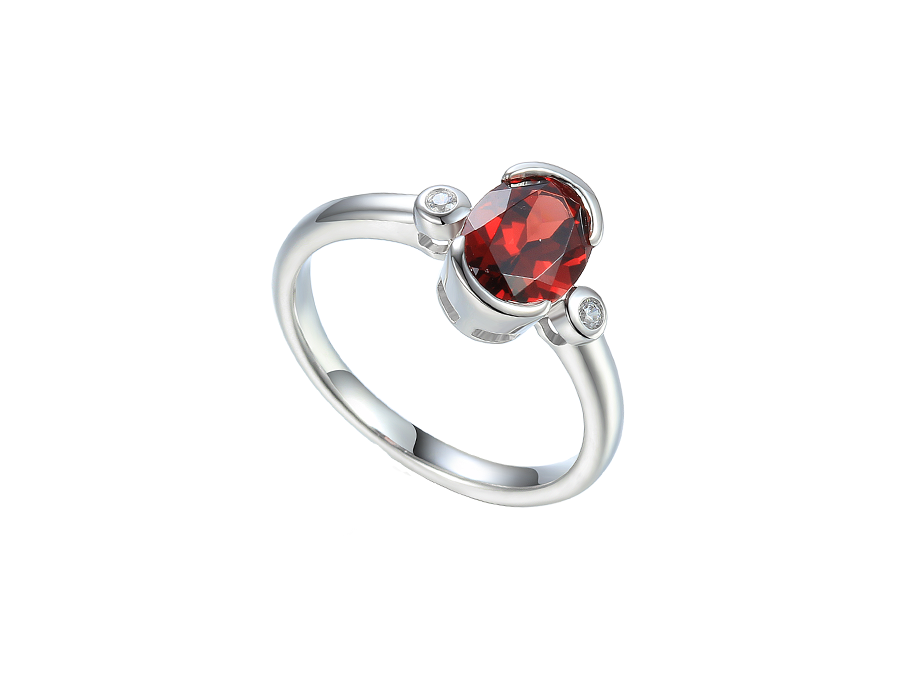
Relight Your Fire
November 7, 2024
Decadent December
December 5, 2024

Someday at Christmas – Amore Argento
December 19, 2024
How To Keep Your Jewellery Beautiful For Years
January 23, 2026
How to Choose, Wear, and Gift Gemstone Jewellery with Confidence
January 23, 2026

The Complete Guide to Choosing Jewellery Gifts They’ll Truly Love
January 21, 2026
Someday at Christmas – Amore Argento
December 19, 2024
Decadent December
December 5, 2024